REVIEW · PORTIMAO
Pastel de Nata Perfection: Hands-On Class in Algarve
Book on Viator →Operated by eatwith · Bookable on Viator
Pastel de nata class beats tourist cooking. You’ll learn to make the Portuguese egg custard tart from scratch at a real home, not a demo kitchen, with Célia guiding you step by step. I especially loved the practical teaching style (you’re doing the work, not just watching) and the fact that you leave with a recipe you can actually follow at home. One thing to consider: even though the experience can be listed as breakfast-included, it may not mean you’ll be eating tarts immediately at 9:30—so plan on a wait.
This is a small-group session (maximum 6) in Tunes, near Portimão, starting at 9:30 am and running about 3 hours. Expect a relaxed, friendly pace, plus extra Portuguese flavor from Antonio with port samples. If you’re the type who needs breakfast at sunrise, I’d eat something light before you go.
In This Review
- Key highlights you’ll feel right away
- Pastel de Nata at a Local Home in Tunes (near Portimão)
- What Happens During the 3-Hour Hands-On Baking Session
- The Secrets That Actually Make Pastéis de Nata Work
- Célia and Antonio: Teaching Style, Stories, and Port Samples
- Price, Group Size, and Value for Money in the Algarve
- Logistics: Getting to Estrada dos Amendoais and Planning Your Morning
- Who This Class Is For (and Who Might Skip It)
- Should You Book This Pastel de Nata Class?
- FAQ
- How long is the Pastel de Nata pastry class?
- What time does the class start in Tunes?
- Where do we meet, and where does it end?
- What’s the group size?
- Is the class offered in English?
- Do you get a recipe to take home?
- Are food restrictions handled?
- What is the cancellation policy?
Key highlights you’ll feel right away
- Small group size (max 6) makes this feel personal, not rushed.
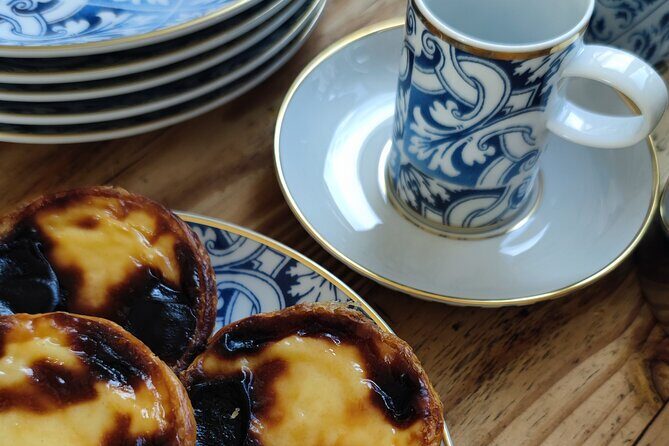
- Hands-on pastel prep: puff pastry work plus custard filling, not just tasting.
- Célia’s step-by-step instruction helps even first-time bakers.
- Port tasting with Antonio adds a fun local twist while you wait for baking.
- Take-home recipe so you can reproduce the results later.
Pastel de Nata at a Local Home in Tunes (near Portimão)
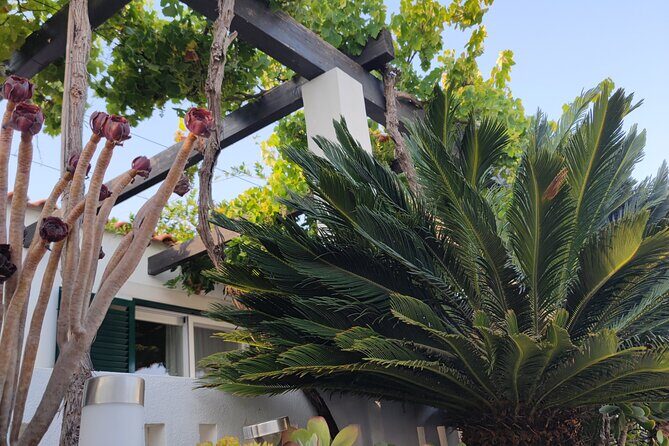
This class happens in Tunes, just outside Portimão, and that matters more than you might think. You’re not herded through stations. You’re welcomed into someone’s home, and the vibe stays calm and comfortable while you bake.
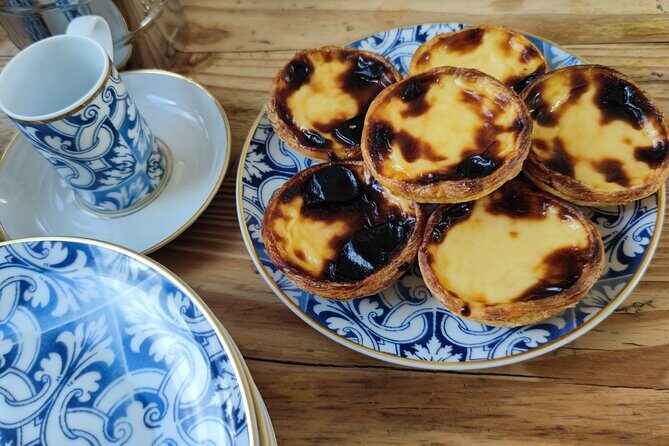
The star is still the pastel de nata itself. These egg custard tarts are famous for a reason: the contrast between flaky pastry and creamy, caramel-kissed custard is hard to beat. Here, you’re learning the process that gets you there—so when you bite in later, you’re not just enjoying a dessert. You’re understanding what you did that caused it to turn out.
Other Algarve regional tours we've reviewed

What Happens During the 3-Hour Hands-On Baking Session

The experience runs about 3 hours, starting at 9:30 am, and ends back at the meeting point. While exact steps can vary by group flow, the structure stays consistent: you’ll prep, assemble, bake, and then enjoy what you made.
Arrival and welcome
You meet at Estrada dos Amendoais in Tunes (the full address is provided on your confirmation voucher). You’ll get oriented quickly, then settle in. On nicer weather, the experience can include drinks like tea and coffee outside—nice when you’re meeting early and the day is still soft.
Puff pastry hands-on work
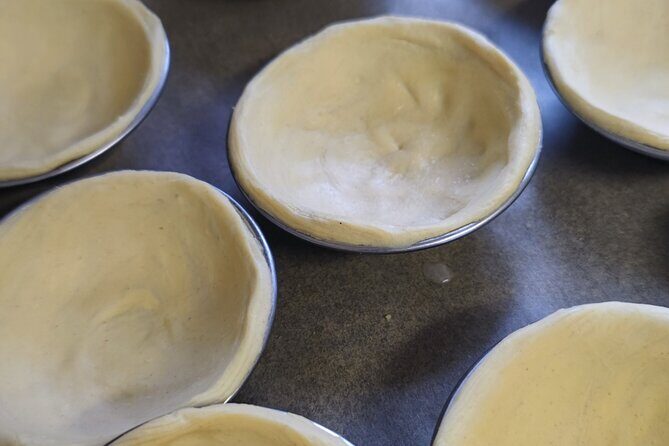
You’ll work through the pastry side of pastéis de nata. That’s the part many people don’t expect to be so hands-on. You’ll learn what matters as you handle and prepare the dough so it can bake up with that signature flaky texture rather than turning dense.
Custard filling
Then comes the filling. You’ll make the custard component that becomes creamy in the oven. This is where technique matters more than you’d think, because custard is all about getting the right balance so it sets in the bake without getting rubbery.
Assembling and baking
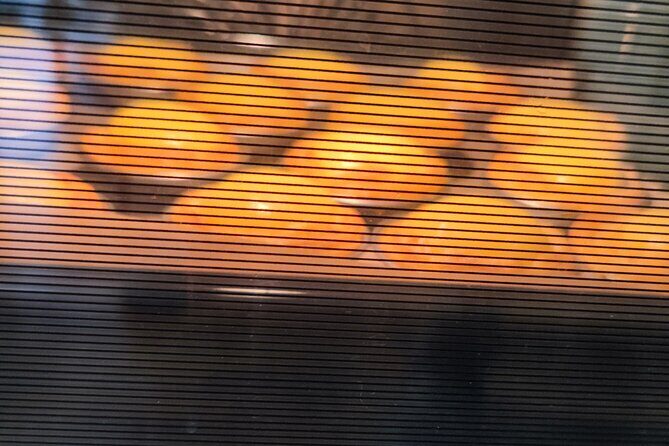
Once everything is prepared, you’ll assemble and bake your tarts. Baking is also why the tasting timing can feel delayed. Expect to wait while your pastéis de nata cook through, even if you arrive hungry. The good news: this time isn’t wasted. You’re usually occupied learning and sipping something while the oven does its thing.
Tasting your results
Near the end, you get to taste what you made. The best part is the comparison feeling: you’ll know exactly what you did differently (or what you did right), because you were part of the process the whole way.
The Secrets That Actually Make Pastéis de Nata Work
Let’s be honest: most people want the shortcut. This class doesn’t pretend there’s magic powder. It’s more useful than that. You get the bread-and-butter lessons that help you avoid common pastel problems.
Here’s what you can take away from the teaching approach:
- You learn by doing, so mistakes become feedback instead of mystery.
- You get clear guidance, which matters with pastry and custard. If you’ve ever followed a recipe that assumes you already know what the dough should look like, you’ll appreciate this more.
- You’re shown the flow, so you understand when each step has to happen in relation to the next.
And there’s one extra practical benefit: you’re not just tasting a great tart. You’re leaving with a recipe to take home. That turns the class into a skill you can repeat, not a one-off souvenir.
Célia and Antonio: Teaching Style, Stories, and Port Samples
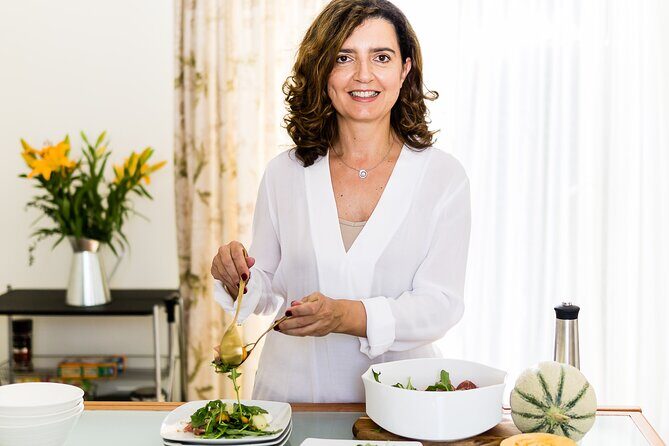
Célia is the main instructor, and her teaching style is repeatedly praised as patient and clear. The class isn’t stiff or formal. It’s warm. You’ll hear explanations in a way that makes you feel capable, even if baking isn’t your usual hobby.
Antonio adds a fun side lesson. While you wait for baking, he may share stories and—this is the highlight for many—offer port tastings. One memorable detail: a comparative tasting featuring tawny port bottles around 20 and 30 years. Even if you aren’t a port expert, that kind of comparison makes you pay attention to flavor differences fast.
This combo—baking instruction plus local drinks and stories—keeps the morning from dragging. It’s also a real taste of Portuguese hospitality: food first, then the culture that surrounds it.
Price, Group Size, and Value for Money in the Algarve
The price is $136.83 per person for about 3 hours. That sounds specific (and it is), but value is really about what’s included.
Here’s what you get for the money:
- A small group (maximum 6), which usually means more personal attention.
- Hands-on baking in a home setting.
- Your finished pastéis de nata as the payoff.
- A take-home recipe so the experience continues after you fly home.
- English instruction, plus extra Portuguese touches like tea/coffee and port samples.
If you’re comparing this kind of experience to typical tourist activities, the pricing feels more reasonable when you factor in that you’re getting both instruction and product. You’re not just watching a show, and you’re not leaving empty-handed.
Other food tours and tastings in Portimão & the Algarve





Logistics: Getting to Estrada dos Amendoais and Planning Your Morning
Start time is 9:30 am. The meeting point is Estrada dos Amendoais, 8365 Tunes, Portugal, and you’ll be taken back there at the end. The location is listed as near public transportation, but in practice, it’s always smart to confirm the exact route based on where you’re staying around Portimão.
A key point: the full address is on your confirmation voucher under the Before You Go section. Use that. Don’t rely on memory or vague map pins.
Also, think about your schedule for breakfast. One downside that comes up is that the experience may be advertised as breakfast-included, but the actual tart tasting can be later than you expect. So if you like eating early, eat before you arrive. You’ll still enjoy the process more when you’re not trying to power through a hungry morning.
Who This Class Is For (and Who Might Skip It)
This is a great fit if you:
- Want a hands-on Pastéis de nata lesson with a warm, small-group feel.
- Like learning through doing, especially if you plan to bake again later.
- Enjoy Portuguese culture that shows up as food, stories, and a drink while you wait.
It may be less ideal if you:
- Have very strict morning routines and hate waiting for the “main event” to bake.
- Expect a guaranteed breakfast service at 9:30.
- Have food allergies or special diets without communicating them first. The experience asks you to tell the host about any restrictions, so do that early.
Should You Book This Pastel de Nata Class?
I’d book it if your goal is quality learning plus a delicious result. The class earns its high rating for a reason: Célia’s instruction is clear, the home setting feels welcoming, and you walk away with something you can recreate. Add Antonio’s port storytelling and tastings, and you get far more than a basic pastry workshop.
My one caution is timing. If the words breakfast-included might make you show up starving, adjust your plan. Eat something light nearby or before departure, then treat the class as the start of your proper Portuguese dessert moment.
If you want a genuinely hands-on Algarve morning in Tunes—small group, real baking, and a take-home recipe—this is one of the more satisfying ways to spend 3 hours.
FAQ
How long is the Pastel de Nata pastry class?
It lasts approximately 3 hours.
What time does the class start in Tunes?
The start time is 9:30 am.
Where do we meet, and where does it end?
You meet at Estrada dos Amendoais in 8365 Tunes, Portugal. The activity ends back at the meeting point.
What’s the group size?
The experience has a maximum of 6 travelers.
Is the class offered in English?
Yes, it’s offered in English.
Do you get a recipe to take home?
Yes, the experience includes a recipe you can take home.
Are food restrictions handled?
You should communicate any food restrictions (allergy, special diet, etc.) when booking.
What is the cancellation policy?
Free cancellation is available up to 24 hours in advance for a full refund. If you cancel less than 24 hours before the start time, the amount you paid will not be refunded.